


How to Source Sheepskin for Your Hospitality Business
Sourcing sheepskin for a hospitality business is a different exercise from buying a piece for a home. Aesthetic appeal matters less than it does in retail; consistency, reliability of supply, and fitness for commercial use matter considerably more. This article covers what to specify, what to ask suppliers, and how to structure the process to avoid the problems that come from treating a commercial order like a retail one.
If you want to talk through a specific project before committing to a specification, contact details are at the end.
Start with the application
The right sheepskin for a restaurant chair seat pad is not the right sheepskin for a throw at the foot of a hotel bed. Use case determines pile type, and pile type determines everything else.
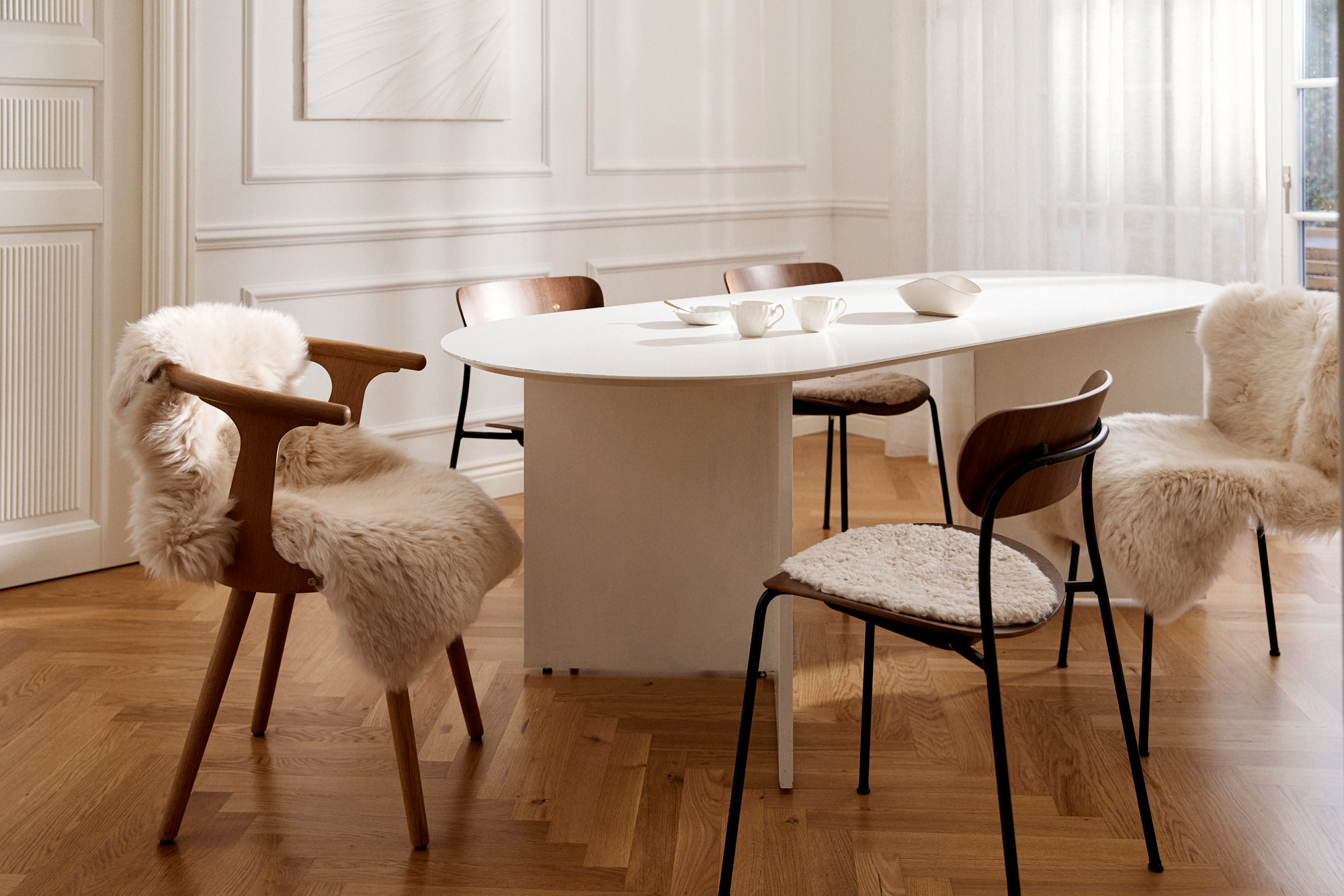
High-contact, high-frequency positions — dining chair seat pads, bar stools, reading chairs — need short to medium New Zealand wool. Dense pile, chrome-salt tanning, resilient leather backing. It handles daily use and regular spot cleaning without deteriorating.

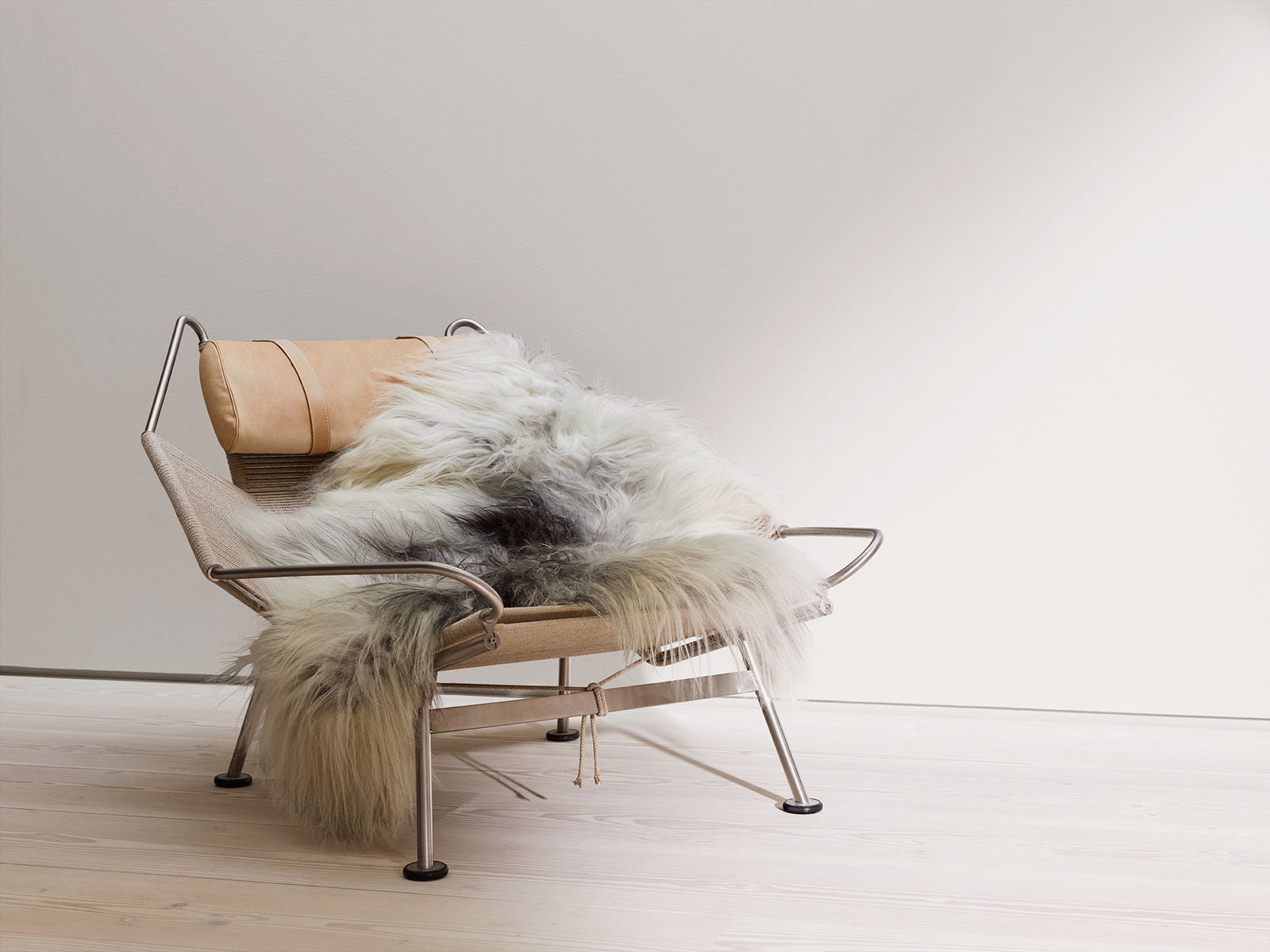
Lower-contact positions — bed throws, lounge armchairs, outdoor terrace seating — allow more flexibility. Long-wool New Zealand or Icelandic both work well. For anything outdoors, natural undyed skins only; dyed skins fade in sunlight.
Statement decorative positions — wall hangings, accent pieces in common areas — are where Tibetan or Gotland skins belong. Neither type should be in a position involving regular direct contact or frequent handling.
Volume and consistency
This is where hospitality procurement diverges most sharply from retail. Sourcing twelve matching seat pads for a dining room requires consistency in pile depth, colour, and hide quality that ad hoc retail purchasing cannot guarantee. Natural variation between individual hides is inherent to the material, but the range of that variation within a batch needs to be controlled.
For dyed specifications, confirm before ordering that the batch can be fulfilled from the same dye lot. Colour drift between lots is common and becomes obvious when pieces are placed side by side. For natural undyed specifications, ask to see sample hides before committing; the range of natural colour and pile character can be wider than photographs suggest.

Lead times for larger orders need to be established early. Stock availability at the time of order determines what can be fulfilled consistently — sheepskin is not made to order. If you have a fixed opening date, build the lead time conversation into the procurement process from the start rather than leaving it to the final weeks.
Questions to ask a supplier
Four questions worth asking before placing a hospitality order:
What is the origin and tanning method? Chrome-salt tanned New Zealand is the standard recommendation for commercial use. Aluminium-salt tanned Icelandic is appropriate for lower-contact applications but should not be where frequent spot cleaning is required.
Can you supply a consistent batch? A supplier who cannot confirm dye lot or batch consistency for an order of twelve or more pieces is not set up for hospitality supply. This is a basic capability, not an unreasonable request.
What is the care protocol for this application? A supplier who can give a clear, practical answer is one who knows their product. Vague or generic care guidance is usually a signal about product quality.
What is your replacement lead time? Commercial pieces will need replacing. A supplier who can fulfil consistent repeat orders against a held specification is considerably more useful than one who treats each order as a new project.
Structuring the order
For an initial fit-out, order a margin of 10–15% above your room count. This covers transit damage, pieces that do not meet standard on inspection, and early replacements without requiring a separate reorder. Get the specification confirmed and on file with the supplier before the fit-out, not after — matching pieces later is harder than matching them at the start.
Working with us
We supply sheepskin to hospitality businesses across Europe and handle both single-property fit-outs and ongoing supply arrangements. We can advise on specification, confirm batch availability before you commit, and fulfil replacement orders to a consistent standard.
Email: hello@naturescollection.eu
Phone: +45 75 80 10 50
Read more
Caring for Sheepskin in a Commercial Setting
The most common source of premature deterioration in hospitality sheepskin is not heavy use. It is incorrect cleaning. The care requirements are not complex, but they are specific — and the differe...
Read more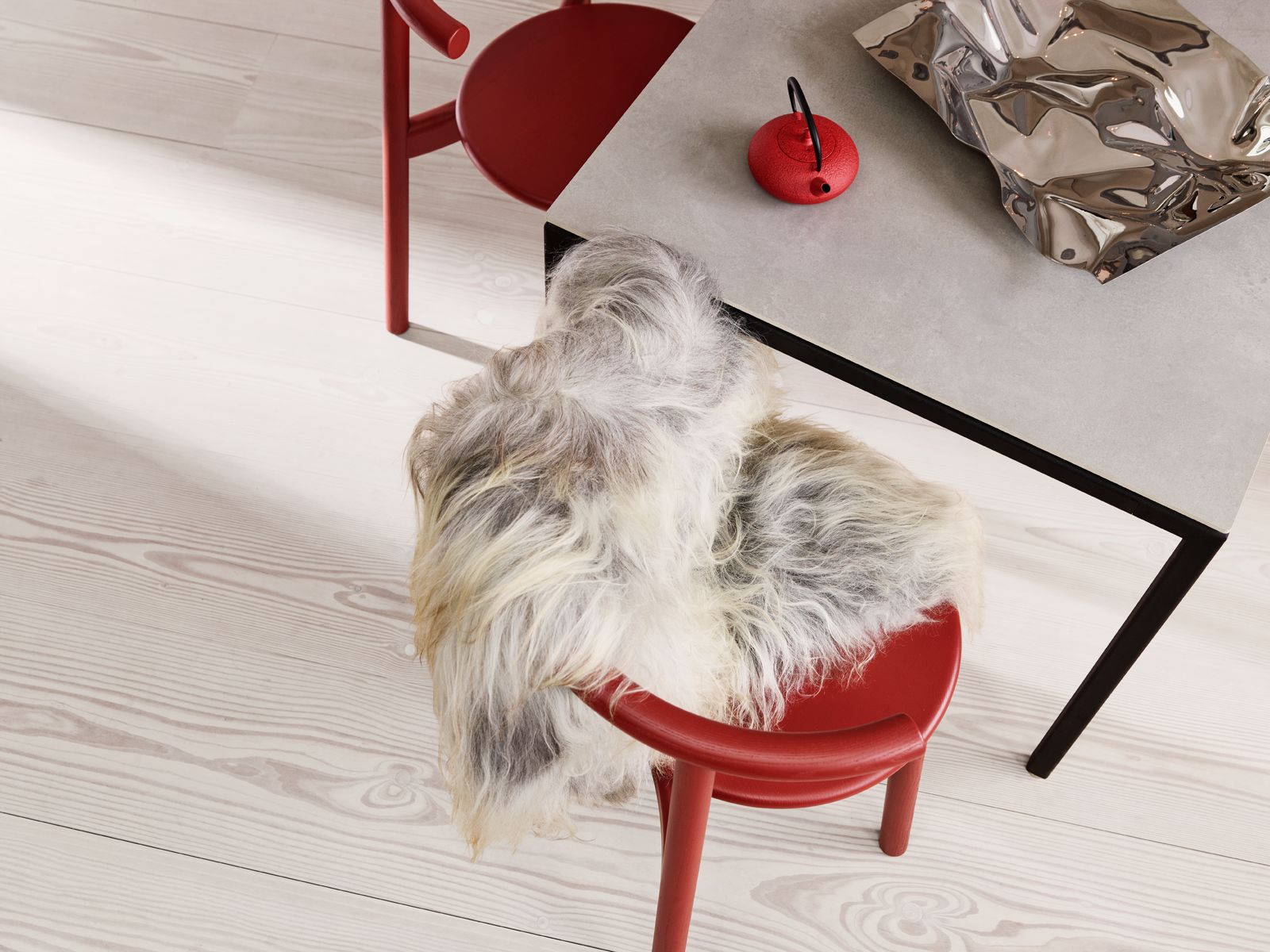
Sheepskin for Restaurants and Cafes: Warmth, Acoustics and Atmosphere
Sheepskin in a restaurant or cafe is not a decorative gesture. It solves specific problems that operators deal with every service: hard seating that loses guests after forty minutes, rooms that tur...
Read more