


The Case for Natural Textiles in Hospitality Design
The argument for natural textiles in hospitality is not primarily aesthetic. It is practical. Natural materials perform differently from synthetics in ways that matter in a commercial context: they regulate temperature, they age with more character than they deteriorate, and they communicate a quality that guests can feel as well as see. For properties where the physical environment is part of what is being sold, that difference is worth understanding before you specify.
This article covers the performance case for natural textiles in hospitality, with particular attention to wool and sheepskin. Contact details are at the end.
How guests respond to materials
Guests form impressions of a room quickly, and those impressions are largely sensory — what surfaces feel like, whether the room feels warm or cold, whether the materials suggest care or economy. Natural textiles perform well on these measures because their properties are real rather than simulated.

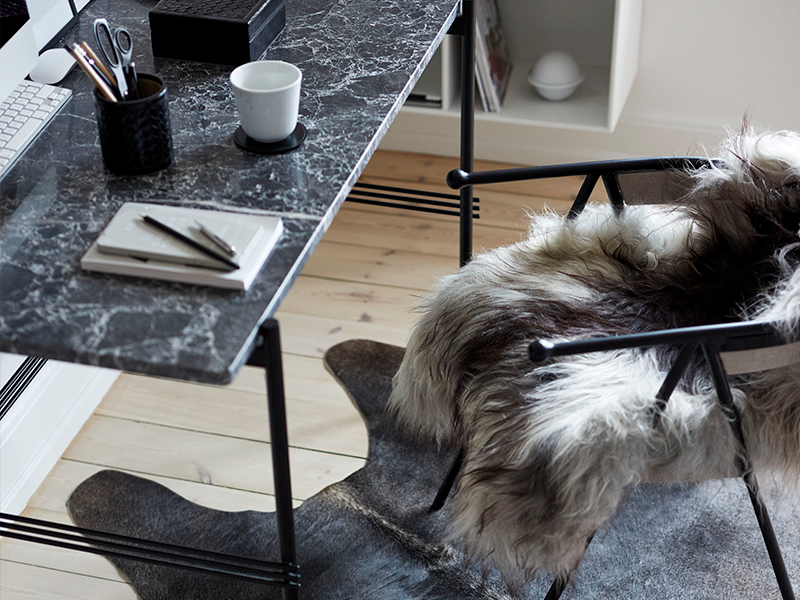
Wool fibres are hollow. They trap air, regulate temperature, and wick moisture. A guest sitting in a sheepskin-draped chair or stepping onto a sheepskin beside their bed is experiencing a material that is genuinely warm and responsive. A polyester imitation looks similar in a photograph and feels noticeably different in person. Reviews in quality hospitality frequently mention specific tactile details — the comfort of a chair, the warmth of a throw, the feeling of a particular corner of the room. Those details translate into review language, and review language affects booking decisions.
Durability in commercial use
Natural materials are sometimes assumed to be more fragile than synthetics in commercial settings. In practice, quality sheepskin handled correctly outlasts most synthetic alternatives. The variables that matter are pile type, tanning method, and maintenance protocol.
New Zealand chrome-salt tanned sheepskin is the most resilient option for commercial use. The leather backing stays supple under regular handling and does not crack, and the dense wool pile holds its structure through the daily shaking and airing that housekeeping requires. Skins at the foot of a bed or draped over a chair — handled daily but not walked on — will hold up for several years with correct care.

Icelandic and other naturally tanned types are less suited to high-frequency commercial handling. They are better placed in lower-turnover positions — common room seating, fixed decorative elements — where they are touched less often.
Acoustics
Wool absorbs sound. In a room with hard flooring, bare walls, and minimal soft furnishing — a configuration that describes most contemporary boutique hotel rooms — sheepskin rugs, throws, and cushions all contribute to acoustic softening. A room that sounds warm tends to be experienced as warm, and the reverse is equally true. This is particularly relevant in older buildings with stone or timber floors and high ceilings, where hard surfaces compound each other.
Acoustic comfort rarely features in procurement conversations but features regularly in guest feedback. It is worth raising as a functional benefit of the specification alongside the visual and tactile ones.
Sustainability
Sheepskin is a by-product of the meat industry — the hide would otherwise go to waste. It is biodegradable and does not shed microplastics when cleaned. Synthetic faux sheepskin is derived from petroleum and does both of those things. For properties building a sustainability narrative, the sourcing story is genuinely defensible — but only if the supply chain supports it. Ask suppliers for specifics on origin, tanning method, and animal welfare standards rather than accepting general sustainability claims.
Procurement practicalities
Batch consistency matters more in hospitality than it does in residential supply. A property speccing multiple rooms needs skins that match in pile quality, colour, and dimensions. For dyed specifications, confirm that the batch can be fulfilled from the same dye lot. For natural undyed skins, agree on the acceptable range of variation before ordering — some variation is inherent to the material and can be part of the aesthetic, but the range should be established upfront.
Care protocols need to be written into housekeeping procedures at installation. The right maintenance is not complicated — shaking, spot cleaning, airing away from direct heat — but it needs to be the default rather than something left to individual judgement. A laminated care card in the room can double as a guest-facing communication piece about the quality and provenance of the materials.
Working with us
We supply natural textiles to hospitality businesses directly and have experience with both single-property projects and ongoing multi-site supply. If you are evaluating natural materials for a property and want to discuss performance, sourcing, or quantities, get in touch.
Email: hello@naturescollection.eu
Phone: +45 75 80 10 50
Read more
Sheepskin for Restaurants and Cafes: Warmth, Acoustics and Atmosphere
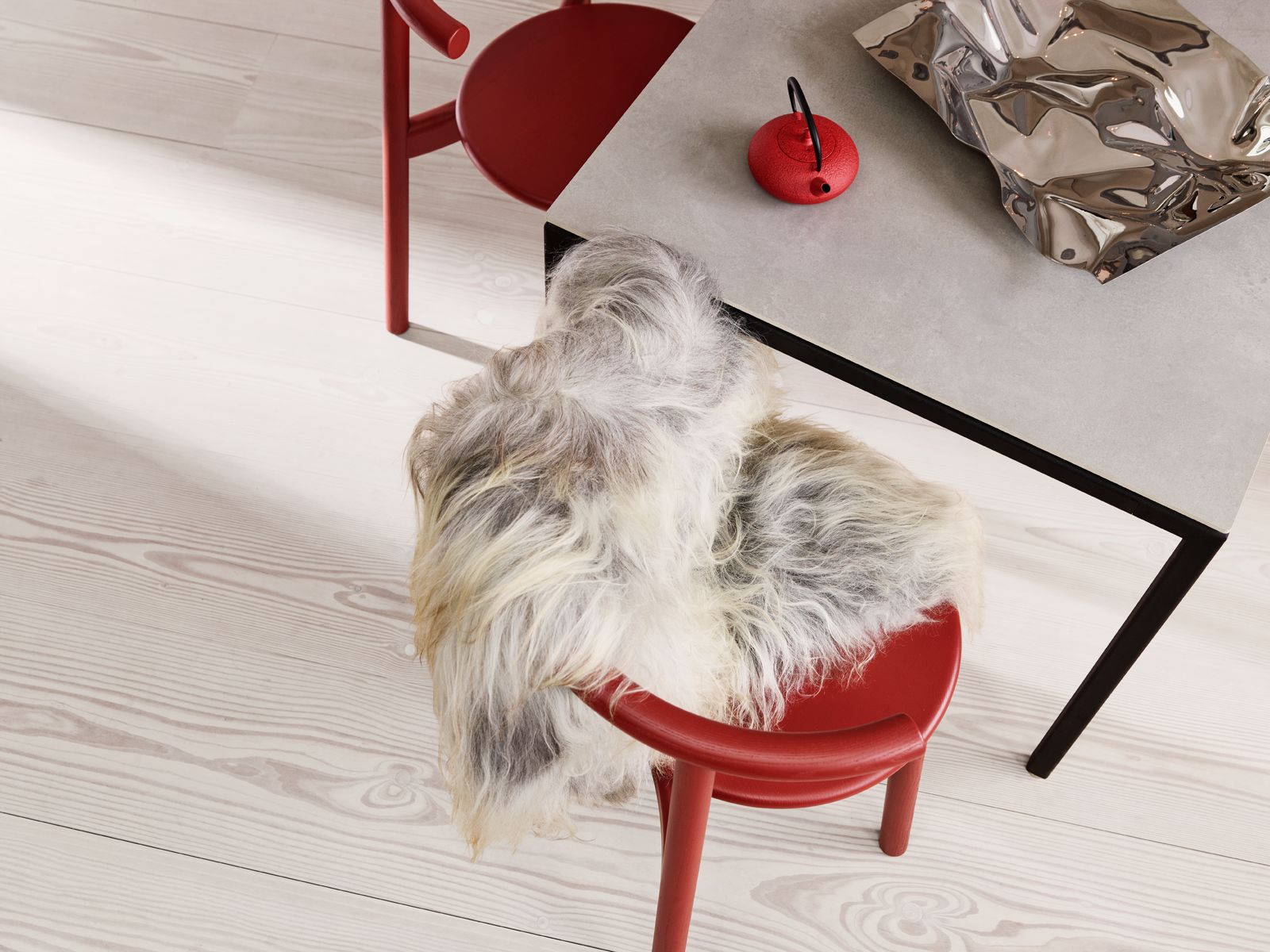
Sheepskin in a restaurant or cafe is not a decorative gesture. It solves specific problems that operators deal with every service: hard seating that loses guests after forty minutes, rooms that tur...
Read more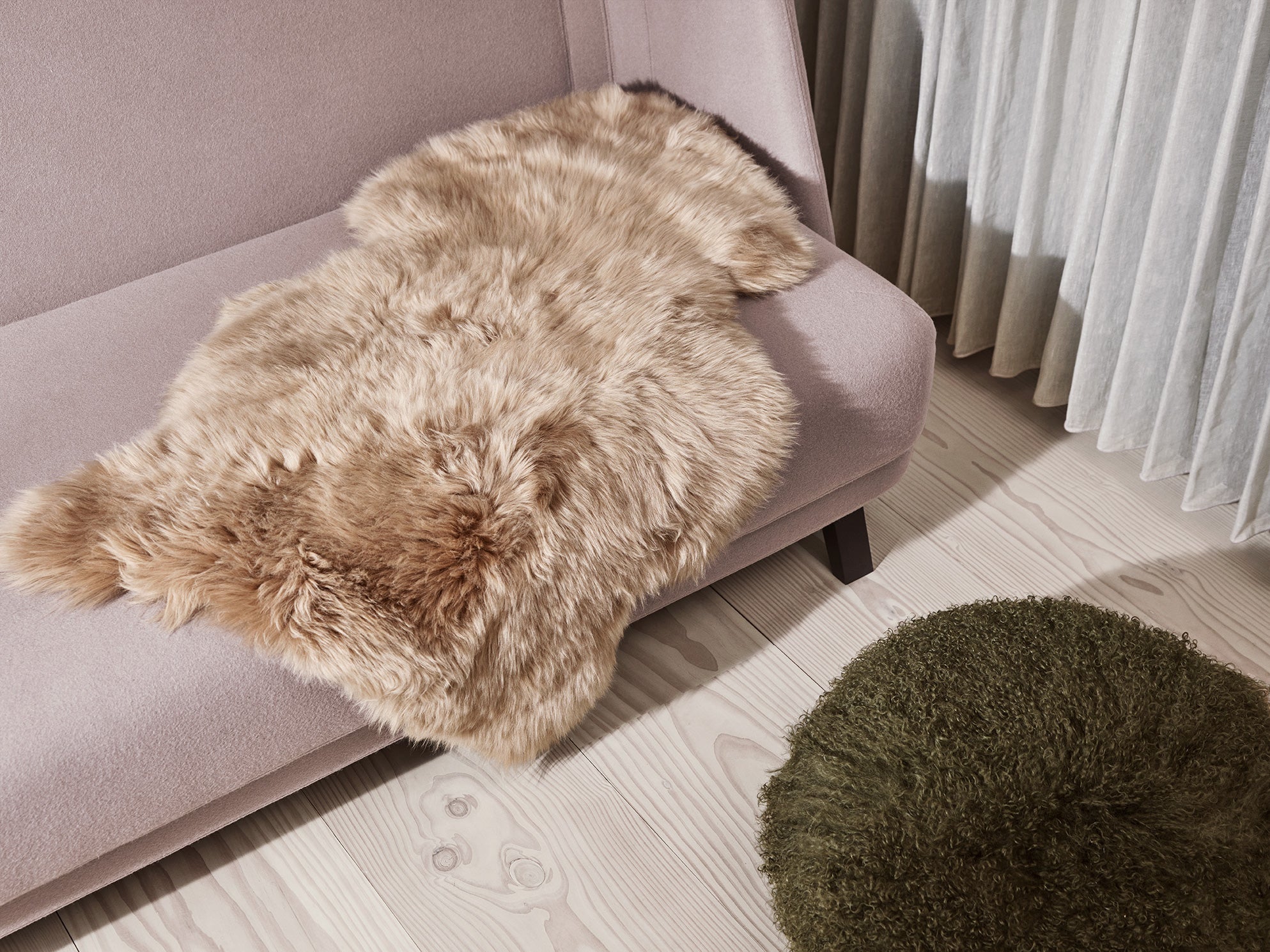
How Boutique Hotels Use Sheepskin to Elevate the Guest Experience
In boutique hospitality, the physical quality of a room is part of what guests are paying for. The materials in the room either communicate that quality or they undermine it. Sheepskin has become a...
Read more