


Sheepskin in Montessori and Waldorf Environments
Both Montessori and Waldorf environments share a commitment to natural materials. The reasoning differs between the two philosophies, but the conclusion is similar: the materials children are in contact with should be honest, tactile, and free from the synthetic substitutes that dominate most modern children’s products. Sheepskin is used in both contexts, and for reasons that go beyond aesthetics.
The Montessori perspective
Montessori environments are designed around the idea that the physical space itself teaches. Materials are chosen for their sensory honesty — wood feels like wood, wool feels like wool — and the environment invites independent exploration rather than direct instruction. Natural materials are preferred not as a philosophical position in the abstract, but because they provide richer, more accurate sensory information than synthetic alternatives.
A sheepskin on the floor of a Montessori classroom or home learning space does several things at once. It defines a soft, bounded area for floor-based activity — a reading spot, a building area, a place for a child to work independently. The texture of the wool is a distinct sensory experience, different from the hard surfaces and smooth fabrics children encounter in most other contexts. The natural variation between individual hides means no two sheepskins are identical, which aligns with Montessori’s preference for authentic materials over standardised ones.
Short-wool New Zealand is the most practical choice for a Montessori floor setting: durable enough for active daily use, easy to maintain, and available in a range of natural and dyed colours that suit the typically calm, neutral palette of a prepared environment.
The Waldorf perspective
Waldorf education places particular emphasis on warmth — not just physical warmth, but the quality of the environment as something that protects and nurtures the child. Natural materials, soft lighting, and gentle colours are preferred over the visually stimulating, synthetic environments common in mainstream early years settings.
In this context, sheepskin is valued for the quality of the experience it creates as much as for any functional property. A Waldorf classroom with sheepskin on the floor and natural textiles on chairs and benches feels different from one without: quieter, softer, more contained. The acoustic effect of wool — it absorbs sound — contributes to this in a way that is easy to underestimate until a space is changed.
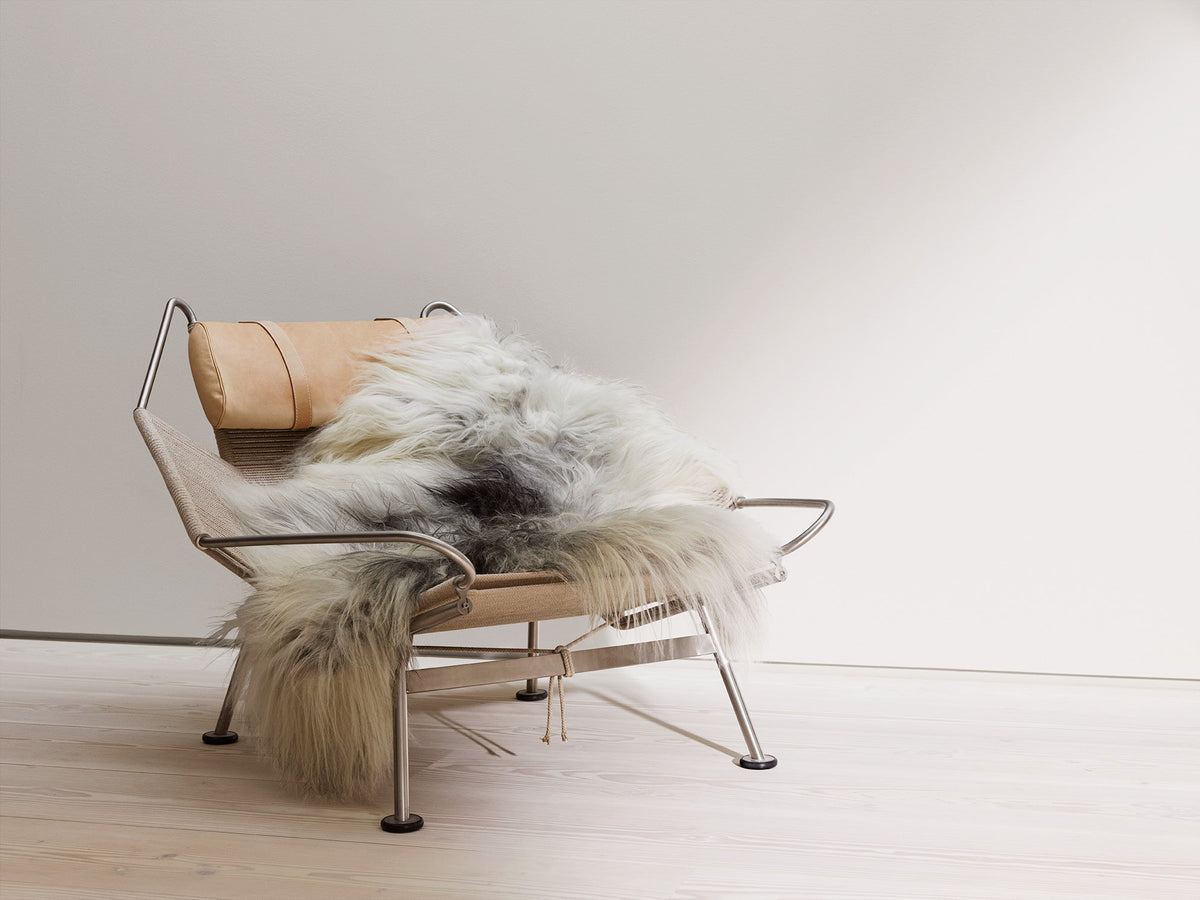
For Waldorf settings, long-wool skins — Icelandic or New Zealand — often suit the aesthetic better than short-pile options. The depth and texture of a long-wool skin conveys the warmth and natural character these environments are designed to provide.
Practical considerations
In a school, kindergarten, or home learning space, sheepskin needs to be maintainable with realistic effort. Regular shaking is the most important step and takes seconds. Spot cleaning with a lanolin-based detergent handles most marks from art materials, food, and general use.
For New Zealand sheepskin where occasional machine washing is needed, a gentle cycle at 30 degrees is acceptable as a last resort. For Icelandic and other types, spot cleaning and airing is the complete protocol.
For a shared classroom with multiple children, a short-wool New Zealand skin in a dyed colour is usually more practical than a pale natural skin. The dyed option shows marks less readily and suits a space with heavier traffic. Natural skins are better suited to a home learning corner where use is lighter.
Get in touch
We supply sheepskin for home learning environments, nurseries, and educational spaces. If you want to discuss sizing, pile type, or quantities for a specific setting, get in touch.
Email: hello@naturescollection.eu
Phone: +45 75 80 10 50
Read more
Natural and Hypoallergenic Materials for the Family Home
Homes with young children and allergy-sensitive family members often end up with fewer textiles rather than better ones. The instinct is to remove anything that might harbour allergens — which freq...
Read more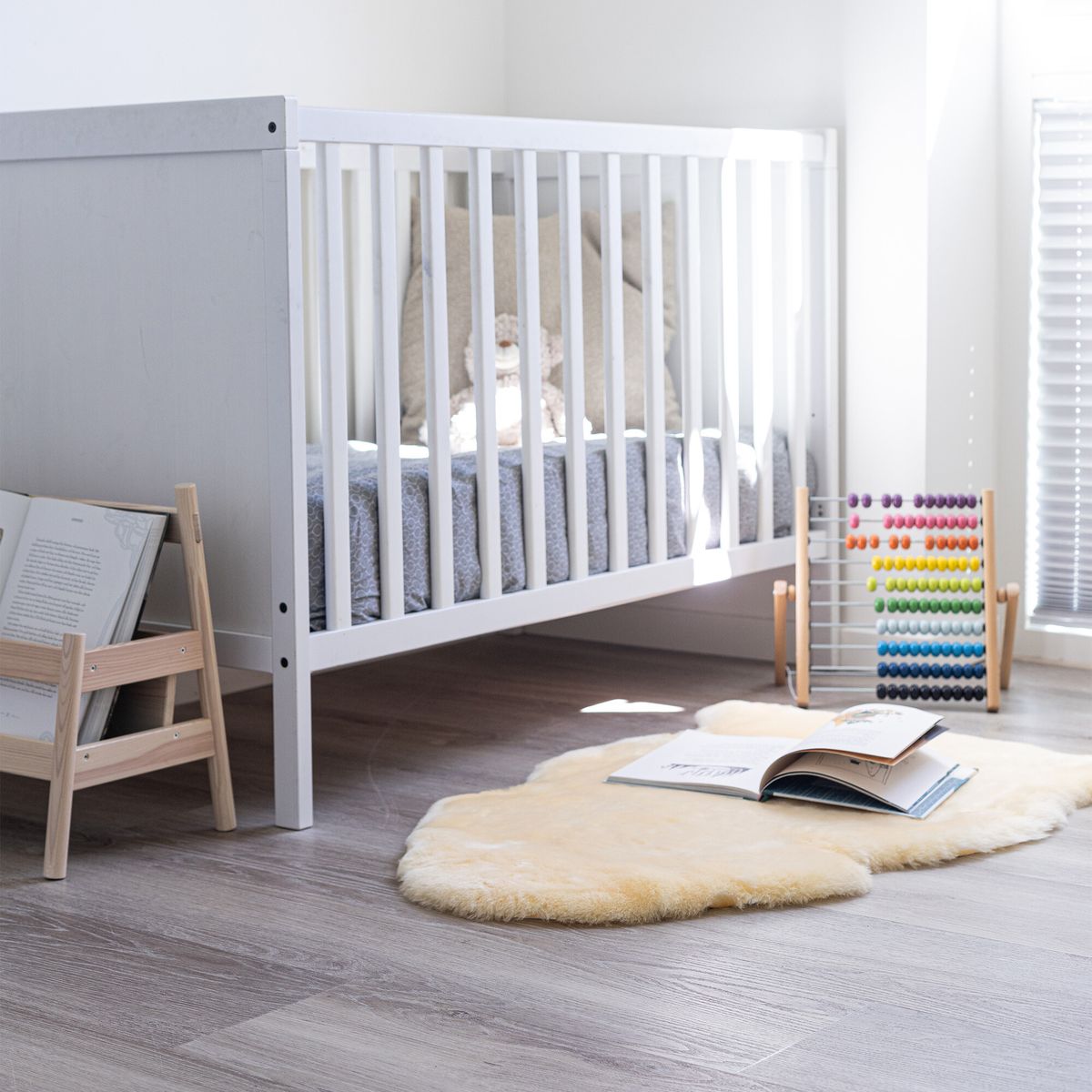
Sheepskin in the Playroom: Natural Comfort for Children
A playroom takes more wear than almost any other space in a home — crawled on, sat on, rolled on, occasionally used as a landing pad. What covers the floor needs to be soft, durable, easy to clean,...
Read more